The Chain Nobody Notices
A breakfast of refined carbohydrate with very little protein produces a fast rise and, in many people, an equally fast fall a couple of hours later. That fall is the eleven o’clock hollow feeling. It gets answered with something quick, which repeats the pattern, and by four in the afternoon the day has become a series of peaks and troughs.
Change the first meal and the whole chain behaves differently. This is not a small effect and it has a name in the literature.
The Second Meal Effect
Researchers have known since the nineteen-eighties that what you eat at one meal changes the glucose response to the next one, hours later. A breakfast with protein and fibre in it produces a flatter response to lunch than a breakfast without.
The mechanisms are still being argued over — slower gastric emptying, differences in free fatty acid availability, and effects on incretin hormones all contribute. The observation itself is solid.
What A Workable Breakfast Looks Like
| Instead of | Try |
|---|---|
| Cereal with milk | Greek yoghurt with nuts and berries |
| Toast and jam | Eggs, with the toast still there if you want it |
| A pastry on the way in | Anything eaten sitting down that contains protein |
| Fruit juice | The whole fruit, which brings its fibre with it |
| Nothing at all | Nothing at all is a legitimate option, as long as lunch is not then a catastrophe |
Skipping breakfast is not automatically wrong. Plenty of people do well on a later first meal. What tends to go badly is skipping breakfast and then eating a large, refined-carbohydrate lunch, because the second meal effect works in both directions.
The Practical Link To A Daily Capsule
This site recommends taking GlycoAid with breakfast, and the reason is unglamorous: breakfast is the meal that happens at the most consistent hour, so it is the one that keeps a routine alive. A protein-led breakfast is also a better meal for it, because several ingredients in the formula — Berberine among them — are gentler on a stomach with real food in it.
The other reason is timing. The formula is built around routes that act during digestion, and taking it at a meal is when those routes have something to act on. There is more on that on the mechanism page.
A Two Week Experiment
- Write down how your afternoons currently go. One line.
- For two weeks, put twenty grams of protein into breakfast. Eggs, yoghurt, fish, whatever you will actually eat.
- Change nothing else at all.
- Read your line at day fourteen.
It costs nothing beyond a shopping decision, and it is a cleaner experiment than most people ever run on themselves.
Questions
Questions On This Article
How much protein at breakfast?
Twenty to thirty grams is the range usually discussed. Two or three eggs, a large bowl of Greek yoghurt, or fish all land there.
Is skipping breakfast bad for blood sugar?
Not automatically. Many people do well on a later first meal. The problem is skipping breakfast and then eating a large refined-carbohydrate lunch.
What is the second meal effect?
The observation that what you eat at one meal changes your glucose response to the next one hours later. It has been described in the literature since the nineteen-eighties.
Why take a supplement with breakfast?
Consistency, mostly. Breakfast happens at the most reliable hour of anyone's day, and a routine anchored to it survives longest.
Next
More From The Journal
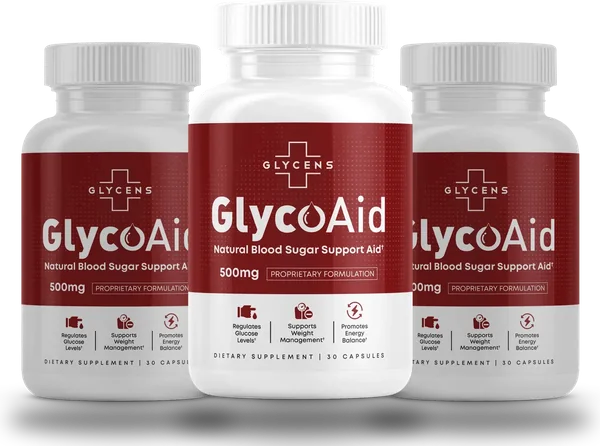
Start Your First Bottle Of GlycoAid
One capsule with a meal, a page here for every name on the label, and two months to send it back if it does nothing for you.
- One capsule a day, taken with food
- Fourteen ingredients, all named on the panel
- Free US delivery on the 3 and 6 bottle packs
- Sixty days to return it, opened bottles included