- Home
- Ingredients
- Turmeric Root
Turmeric Root In GlycoAid
The rhizome behind curry's colour and one of the most studied plant compounds alive.
Where Turmeric Root Comes From
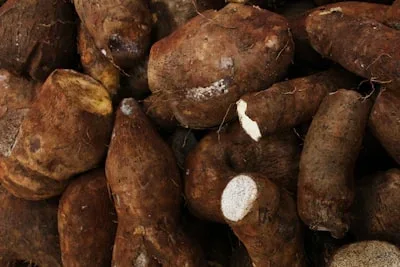
Turmeric is the rhizome of a ginger relative grown across South Asia, and it is responsible for the colour of most curry powders. India produces and consumes the overwhelming majority of the world's supply. Its use in cooking and in Ayurvedic practice runs back roughly four thousand years, which makes it one of the oldest continuously used plant medicines there is.
What Turmeric Root Is Doing In GlycoAid
The compound carrying almost all of the research is curcumin, which makes up a small percentage of the root by weight. Curcumin has demonstrable anti-inflammatory and antioxidant activity in laboratory work, and inflammation and insulin resistance are genuinely connected, which is the reasoning behind including it in a formula like this one.
The Research Behind Turmeric Root
Curcumin is one of the most studied plant compounds in existence, with thousands of published papers behind it. The catch is well known and rarely mentioned on supplement pages: curcumin is very poorly absorbed. Oral curcumin reaches the bloodstream in quantities so small that a substantial part of the literature is about trying to solve that problem rather than about what curcumin does once it is there.
What Dose The Studies Actually Used
Trials typically use 500 to 1,500 mg a day of standardised extract, and the successful ones almost always pair it with something that improves absorption — piperine from black pepper, a phospholipid complex, or a nanoparticle formulation. Plain turmeric root powder in a blend has none of those.
How this relates to GlycoAid. The fourteen ingredients share one 500 mg blend weight and no individual figure is printed, so what any single name contributes cannot be read off the label. The descending order on the panel is the one real clue, and this site would rather explain that than pretend to a precision it does not have.
Turmeric Root: Cautions Worth Knowing
Turmeric as a spice is about as safe as food gets. Concentrated extracts are a different matter: they can increase bleeding risk at high doses, which matters for anyone on an anticoagulant, and there have been rare reports of liver injury associated with high-dose curcumin supplements. High doses may also worsen symptoms for people with gallstones.
What Turmeric Root Is Not
Turmeric root and curcumin extract are not interchangeable terms. The root is a few percent curcumin by weight; a standardised extract is ninety-five percent. A label saying turmeric root is describing the spice, not the extract, and the difference between them is roughly a factor of thirty. Reading a panel properly covers how to spot which one you are holding.
Finding Turmeric Root Outside A Capsule
Turmeric in cooking is the traditional route and it comes with something modern supplements often leave out: the classic pairing with black pepper and with fat is, as it turns out, an absorption strategy that predates any of the research explaining it. On a label, look for a standardisation percentage for curcuminoids and for an absorption system — piperine, a phospholipid complex or a nanoparticle formulation.
Questions
Turmeric Root Questions
The ones that come up about this ingredient specifically.
Why is turmeric poorly absorbed?
Curcumin is metabolised rapidly in the gut and liver and is barely soluble in water. Very little of an oral dose reaches circulation intact.
Does GlycoAid contain black pepper?
The panel does not list piperine or black pepper extract. The turmeric in the blend is not paired with an absorption enhancer.
Is turmeric safe with blood thinners?
Concentrated extracts can increase bleeding risk. Anyone anticoagulated should raise it before starting.
Can I just cook with it?
Yes, and the traditional pairing with black pepper and fat in cooking is, as it happens, an absorption strategy that predates the science explaining it.
Nearby
Related GlycoAid Ingredients
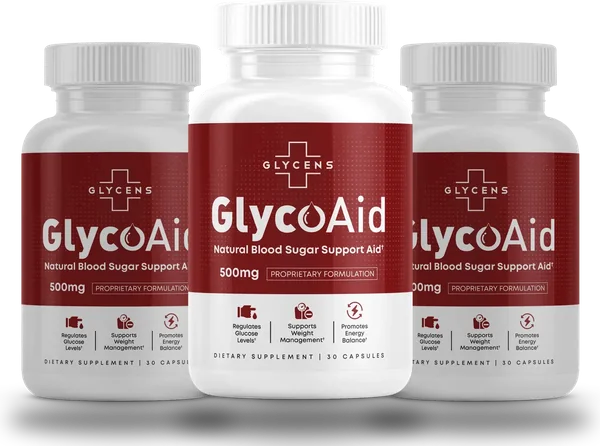
Start Your First Bottle Of GlycoAid
One capsule with a meal, a page here for every name on the label, and two months to send it back if it does nothing for you.
- One capsule a day, taken with food
- Fourteen ingredients, all named on the panel
- Free US delivery on the 3 and 6 bottle packs
- Sixty days to return it, opened bottles included