One Word, Two Trees
Cinnamon is the inner bark of a tree, and several different species are sold under the name. The two that matter commercially are Ceylon cinnamon, from Sri Lanka, and cassia, which covers a few related species grown mostly in China, Indonesia and Vietnam.
If you have bought ground cinnamon in a supermarket outside Sri Lanka, it was almost certainly cassia. It is cheaper, its flavour is stronger and more familiar to most palates, and it makes up the overwhelming majority of world trade.
Coumarin, Which Is The Whole Point
Cassia contains coumarin, a naturally occurring compound that can stress the liver at sustained high intake. Ceylon contains it only in trace amounts.
European food safety authorities publish a tolerable daily intake for coumarin, and it is a genuine number rather than an internet invention. For a person of average weight it works out at a surprisingly modest amount of cassia — comfortably reached by someone taking a heaped teaspoon of ground cinnamon daily as a health measure, which a great many people do.
The people most likely to run into this are precisely the people who read that cinnamon helps blood sugar and started taking a spoonful of it every day. That is the pattern worth knowing about, and it is rarely mentioned alongside the original advice.
Telling Them Apart
| Ceylon | Cassia | |
|---|---|---|
| Quill structure | Many thin layers, like a cigar | One thick layer curled inwards from both sides |
| Colour | Pale tan | Dark reddish brown |
| Texture | Brittle, crumbles easily | Hard, difficult to break |
| Flavour | Delicate, floral | Strong, hot, familiar |
| Coumarin | Trace | Present, and the reason for the limit |
| Price | Several times higher | Cheap |
Ground cinnamon cannot be told apart by eye. Whole quills can, easily, once you have seen both.
What This Means For A Supplement
Labels generally say cinnamon bark without naming the species, which is standard practice and not evasive. In a blend the quantity is small enough that the coumarin question is largely theoretical — the amount of cinnamon inside a shared 500 mg blend is a fraction of a culinary teaspoon.
Where it becomes worth thinking about is the combination: a supplement containing cinnamon, plus a daily spoonful of cassia in porridge, plus cinnamon tea. Each on its own is fine. The stack is where the published intake figure starts to be relevant. The Cinnamon Bark page covers the ingredient in the context of the formula.
The Practical Position
- Cinnamon on food, in normal culinary amounts, is not something to worry about.
- If you take cinnamon daily as a deliberate health measure, buy Ceylon.
- Whole quills are worth it for that reason alone: you can see which one you bought.
- Do not stack a cinnamon supplement on top of a daily spoonful without noticing you have done it.
And it is worth repeating the honest point about dose: trials showing effects on glucose used one to six grams of cinnamon a day, which is far beyond what any blend contains. That context is on the mechanism page.
Questions
Questions On This Article
Which cinnamon should I buy?
For daily deliberate use, Ceylon, because of the coumarin difference. For occasional cooking, either is fine.
Is cassia dangerous?
Not in culinary amounts. The concern is sustained high intake, and food safety authorities publish a tolerable daily figure for coumarin.
How do I tell them apart?
By the quill. Ceylon has many thin brittle layers and is pale; cassia is one thick, hard, dark layer. Ground cinnamon cannot be distinguished by eye.
Is there enough cinnamon in a supplement to matter?
In a shared blend the amount is a fraction of a culinary teaspoon, so the coumarin question is largely theoretical unless you are also eating cassia daily.
Next
More From The Journal
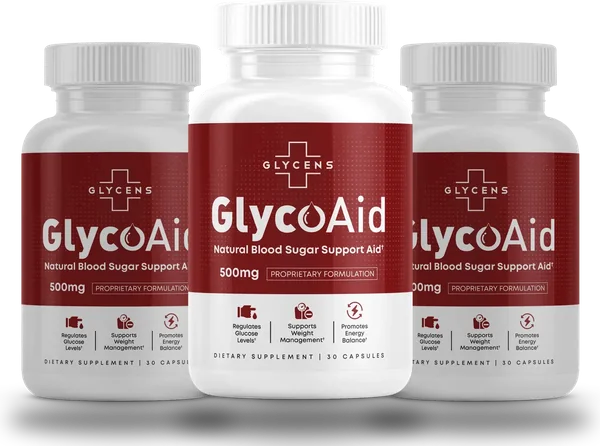
Start Your First Bottle Of GlycoAid
One capsule with a meal, a page here for every name on the label, and two months to send it back if it does nothing for you.
- One capsule a day, taken with food
- Fourteen ingredients, all named on the panel
- Free US delivery on the 3 and 6 bottle packs
- Sixty days to return it, opened bottles included