- Home
- Ingredients
- Alpha-Lipoic Acid
Alpha-Lipoic Acid In GlycoAid
A compound your own cells make, working in both water and fat as an antioxidant.
Where Alpha-Lipoic Acid Comes From
Alpha-lipoic acid is not a herb at all. It is a compound your own mitochondria manufacture, where it works as a cofactor in the enzyme complexes that pull energy out of food. Small amounts also occur in spinach, broccoli and organ meats. It was first isolated in the nineteen-fifties from, of all things, a very large quantity of beef liver.
What Alpha-Lipoic Acid Is Doing In GlycoAid
Its distinguishing property is that it is soluble in both water and fat. Most antioxidants are one or the other, which limits where in a cell they can work; alpha-lipoic acid moves through both compartments. It also participates in regenerating other antioxidants, including vitamins C and E, which is why it is sometimes described as a network antioxidant.
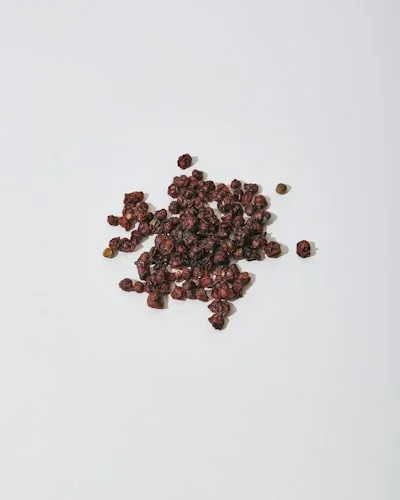
The Research Behind Alpha-Lipoic Acid
Alpha-lipoic acid has the second strongest clinical record in this formula, and it is important to say what that record is actually about. The substantial evidence is in diabetic peripheral neuropathy, where intravenous and oral alpha-lipoic acid have been studied in large German trials with generally positive results on nerve pain symptoms. The evidence for effects on blood glucose itself is considerably thinner.
What Dose The Studies Actually Used
The neuropathy trials typically used 600 mg a day, sometimes 1,200 mg. Like berberine, that figure exceeds what a shared 500 mg blend can deliver, and the same honest caveat applies.
How this relates to GlycoAid. The fourteen ingredients share one 500 mg blend weight and no individual figure is printed, so what any single name contributes cannot be read off the label. The descending order on the panel is the one real clue, and this site would rather explain that than pretend to a precision it does not have.
Alpha-Lipoic Acid: Cautions Worth Knowing
Generally well tolerated. It can cause mild digestive symptoms and, rarely, a skin rash. There is a theoretical interaction with thyroid medication and with chemotherapy agents that is worth raising if either applies. Anyone with a thiamine deficiency, which is more common in heavy alcohol use than people expect, should address that first.
What Alpha-Lipoic Acid Is Not
Alpha-lipoic acid and lipoic acid and thioctic acid are the same compound. What is different is the form: the R-isomer is the biologically active one and most inexpensive supplements contain a fifty-fifty racemic mixture of R and S. A label saying only alpha-lipoic acid is almost certainly the mixture.
Finding Alpha-Lipoic Acid Outside A Capsule
Small amounts occur in spinach, broccoli, tomatoes and organ meats, but nothing you could eat delivers what the trials used. On a label, the distinction that matters is R-lipoic acid versus a plain racemic mixture; the R-isomer is the biologically active one and an unspecified label almost always means the mixture, which is why the price gap between two apparently identical products can be large.
Questions
Alpha-Lipoic Acid Questions
The ones that come up about this ingredient specifically.
Is alpha-lipoic acid a vitamin?
No. Your body makes it, so it is not an essential nutrient in the way a vitamin is. It is sometimes called a vitamin-like compound.
What is the evidence actually for?
The strongest evidence is in diabetic peripheral neuropathy at 600 mg daily. The evidence for blood glucose effects in people without a diagnosis is much thinner.
R-lipoic acid or the ordinary kind?
The R-isomer is the active one. Most inexpensive products contain a racemic mixture, and a label that does not specify is usually the mixture.
Can I take it with thyroid medication?
Ask first. There is a theoretical interaction, and separating the doses by several hours is the usual advice where it is allowed at all.
Nearby
Related GlycoAid Ingredients
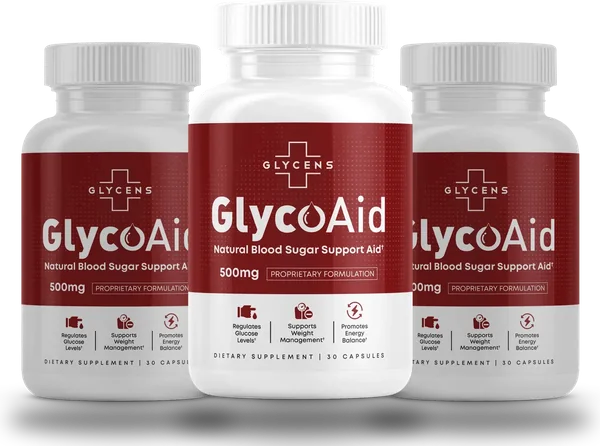
Start Your First Bottle Of GlycoAid
One capsule with a meal, a page here for every name on the label, and two months to send it back if it does nothing for you.
- One capsule a day, taken with food
- Fourteen ingredients, all named on the panel
- Free US delivery on the 3 and 6 bottle packs
- Sixty days to return it, opened bottles included