A Point About Arithmetic Before Biology
Blood glucose is reported as a concentration: an amount of glucose per volume of blood. Concentration has two inputs, and most conversations about it only ever discuss one.
Lose plasma volume through dehydration and the same quantity of glucose is dissolved in less fluid. The concentration goes up. Nothing has changed about how much glucose is in you or about how your body is handling it.
And Then The Biology
There is a hormonal layer on top of the arithmetic. Dehydration raises vasopressin, which is the hormone that tells the kidney to conserve water. Vasopressin also stimulates the liver to release glucose, and observational work has linked higher vasopressin levels with poorer glucose regulation over time.
So mild dehydration does two things at once: it concentrates what is there, and it encourages a little more to be released.
Where this becomes practical. If you take a fasting reading first thing after seven or eight hours without fluid, you are taking it at the most dehydrated point of your day. That is not a reason to distrust the number, but it is a reason to be consistent about when you take it.
How Much Water, Honestly
The eight glasses figure has no particular scientific basis and has been traced back to a misreading of a nineteen-forties recommendation that also counted the water in food. Needs vary with body size, activity, climate and what you eat.
- Urine colour is a decent everyday proxy. Pale straw is the target.
- Thirst is a reasonable signal, and it becomes less reliable with age.
- Tea and coffee count. The diuretic effect of ordinary caffeine intake does not cancel out the fluid.
- Food contributes a meaningful share, particularly fruit and vegetables.
The Direction Worth Knowing Both Ways
Persistent thirst and frequent urination are also classic symptoms of high blood sugar rather than causes of it, because the kidney pulls water out to excrete excess glucose. If you are unusually thirsty for days on end and drinking more is not resolving it, that is a reason to see a doctor rather than to buy anything.
Excessive thirst, frequent urination, unexplained weight loss and blurred vision together are a pattern that belongs in a clinic. No supplement is the right response to that list, and GlycoAid is not intended for anyone in that situation.
The Small Practical Note
Take a capsule with a full glass of water rather than a sip. With Berberine that has a second benefit: it is genuinely bitter, and a mouthful of water moves it along before anything lingers. The full routine is on the dosage page.
Questions
Questions On This Article
Can dehydration raise a blood sugar reading?
Yes. Glucose is measured as a concentration, so losing plasma volume raises the number without changing how much glucose is present.
How much water do I actually need?
It varies with size, activity, climate and diet. Pale straw urine is a reasonable everyday proxy, and the eight glasses figure has no strong basis.
Does coffee dehydrate you?
At ordinary intakes the fluid outweighs the mild diuretic effect. Tea and coffee count towards fluid intake.
Is constant thirst a warning sign?
It can be. Persistent thirst with frequent urination is a classic symptom of high blood sugar and is a reason to see a doctor.
Next
More From The Journal
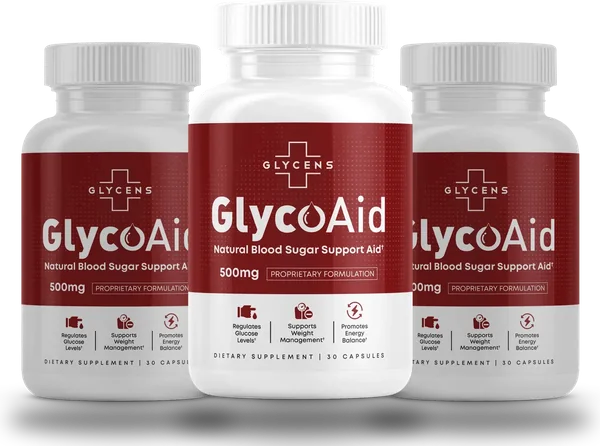
Start Your First Bottle Of GlycoAid
One capsule with a meal, a page here for every name on the label, and two months to send it back if it does nothing for you.
- One capsule a day, taken with food
- Fourteen ingredients, all named on the panel
- Free US delivery on the 3 and 6 bottle packs
- Sixty days to return it, opened bottles included